Torbjörn Lager
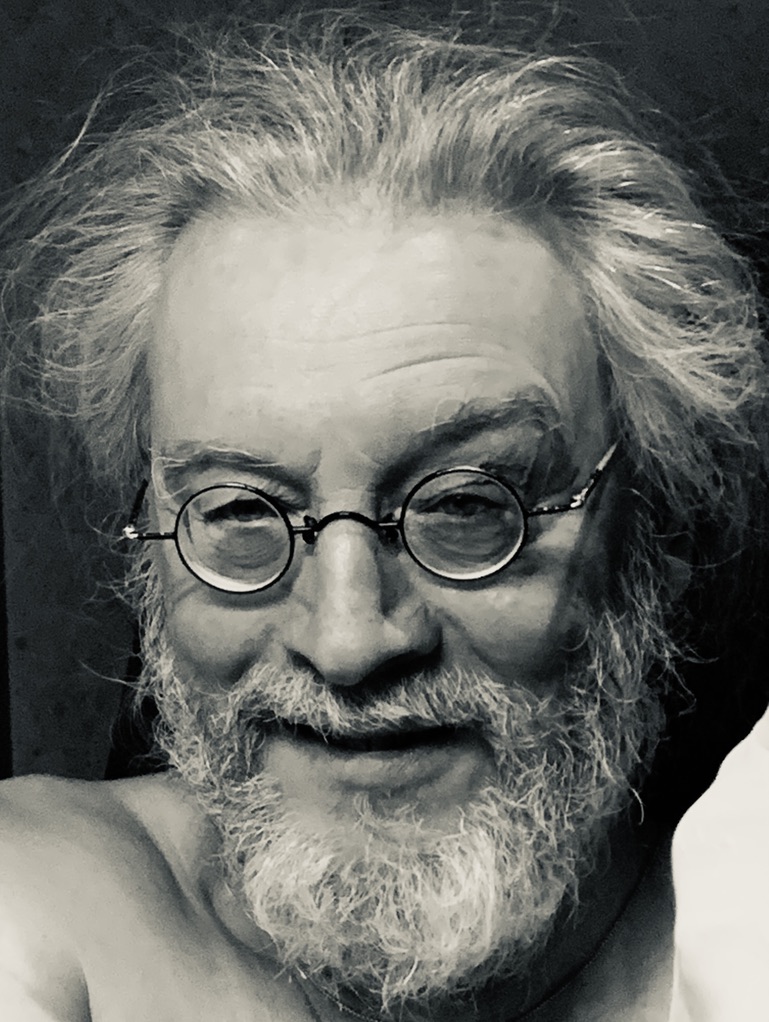
Torbjörn Lager is Professor Emeritus of General and Computational Linguistics at the Department of Philosophy, Linguistics and Theory of Science at the University of Gothenburg. Trained as a linguist, he has spent most of his career working where language, logic, programming, and artificial intelligence meet.
Computational linguistics and language technology were long regarded as central areas of AI, and this perspective has shaped much of his work. Over the years he has built tools for corpus linguistics, experimented with machine learning, and developed platforms for multimodal dialogue systems. He has consistently preferred building working systems over merely theorising about them. He has been programming in Prolog since 1987, and logic programming has remained a constant thread throughout his career — not only as a tool, but as a way of thinking about computation and reasoning. While never a central figure within the Prolog community, he has applied Prolog extensively in dialogue systems, web prototypes, and research platforms, bringing a somewhat independent perspective to the field.
His broader interest in programming languages has included systems such as Oz and its implementation model, particularly its approach to concurrency and declarative programming. For roughly two decades, his work has engaged with Web technology and aspects of Web Science. He has designed and implemented numerous web-based research prototypes and taught courses in web technologies, especially within the Spoken Web stack — VoiceXML, SRGS, and SSML. He has served as an invited expert in the W3C Voice Browser Working Group and has been involved in the specification of State Chart XML (SCXML).
With a background in philosophy, he is interested in how the Web reshapes knowledge, communication, and the relationship between technology, science, and the humanities. The Prolog Trinity ecosystem is the outcome of this long and somewhat unconventional trajectory — an attempt to bring together logic programming, distributed systems, Web architecture, and symbolic AI into a coherent, web-native framework.